• AI글쓰기 2.1 업데이트
BRONZE
BRONZE 등급의 판매자 자료

os 기출문제

"os 기출문제"에 대한 내용입니다.
5 페이지
한컴오피스
최초등록일 2024.08.12 최종저작일 2021.03
5P 미리보기
os 기출문제
  • 이 자료를 선택해야 하는 이유
    이 내용은 AI를 통해 자동 생성된 정보로, 참고용으로만 활용해 주세요.
    • 논리성
    • 전문성
    • 실용성
    • 유사도 지수
      참고용 안전
    • 📚 운영체제 핵심 개념을 망라한 포괄적인 기출문제 모음
    • 💻 프로세스, 스레드, 메모리 관리 등 다양한 OS 주제 커버
    • 🎯 실제 시험에 직접 활용 가능한 문제 구성

    미리보기

    소개

    "os 기출문제"에 대한 내용입니다.

    목차

    (6) Process Synchronization
    (7) Thread
    (8) deadlock
    (9) Memory management
    (10) Memory management(2)
    (11) Virtual memory management
    (12) File system

    본문내용

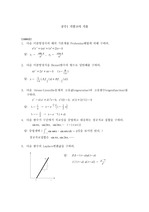
    1. 현재 count 변수의 값이 5이고, 두 프로세스 producer와 consumer가 각각 다음과 같이 (interleaved) 실행된다고 할 때, 마지막으로 저장되는 counter 변수의 값은? 6
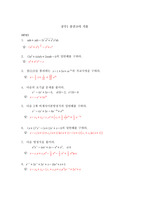
    2. 다른 프로세스(또는 스레드)들과 공유하는 자원(변수, 파일 등)을 다루는 코드 영역을 일컫는 용어는? critical section
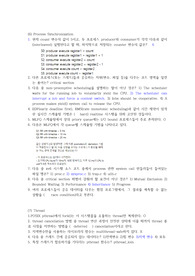
    3. 다음 중 non-preemptive scheduling을 설명하는 말이 아닌 것은? 1) The scheduler waits for the running job to voluntarily yield the CPU. 2) The scheduler can interrupt a job and force a context switch. 3) Jobs should be cooperative. 4) A process makes yield() system call to release the CPU.
    4. EDF(early deadline first), RMS(rate monotonic scheduling)과 같이 시간 제약이 엄격한 실시간 스케줄링 기법은 ( hard) realtime 시스템을 위해 고안된 것들이다.
    5. MLFQ 스케줄링에서 상위 priory queue에는 I/O bound 프로세스들이 주로 존재한다. O
    6. 다음은 MLFQ에서 각 queue별 스케줄링 기법을 나타내고 있다.

    <중 략>

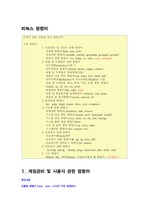
    7. 다음 중 xv6 시스템 소스 코드 중에서 process 관련 system call 핸들러들이 들어있는 파일 명은? 1) proc.c 2) sysproc.c 3) trap.c 4) ulib.c

    참고자료

    · 없음
  • AI와 토픽 톺아보기

    • 1. Process Synchronization
      Process synchronization is a fundamental concept in operating systems that ensures the correct and efficient execution of concurrent processes. It involves coordinating the access to shared resources, preventing race conditions, and ensuring that processes do not interfere with each other's execution. Proper synchronization mechanisms, such as locks, semaphores, and monitors, are crucial for maintaining data integrity, avoiding deadlocks, and ensuring the overall reliability of the system. Understanding and implementing effective synchronization techniques is essential for designing robust and scalable concurrent systems, particularly in areas like multi-threaded programming, distributed systems, and real-time applications. The challenges in process synchronization include ensuring fairness, avoiding starvation, and balancing performance and correctness. Ongoing research in this area explores new synchronization primitives, adaptive algorithms, and formal verification techniques to address these challenges and further improve the reliability and efficiency of concurrent systems.
    • 2. Thread
      Threads are a fundamental concept in modern operating systems, providing a way to achieve concurrency and parallelism within a single process. Threads share the same memory space and resources, allowing for efficient communication and data sharing, but they also introduce challenges in terms of synchronization and resource management. The benefits of using threads include improved responsiveness, better utilization of system resources, and the ability to take advantage of multi-core architectures. However, the complexity of thread-based programming, potential for race conditions, and the risk of deadlocks require careful design and implementation. Effective use of synchronization primitives, such as locks, semaphores, and condition variables, is crucial for ensuring the correctness and performance of multi-threaded applications. Additionally, the scheduling of threads by the operating system, the management of thread-local storage, and the handling of thread-specific exceptions are important considerations. Ongoing research in this area explores new thread models, scheduling algorithms, and programming abstractions to further enhance the usability and efficiency of threads in a wide range of applications.
    • 3. Deadlock
      Deadlock is a critical issue in concurrent systems, where two or more processes or threads are blocked indefinitely, waiting for resources held by each other. Deadlocks can lead to system starvation, unresponsiveness, and even complete system failure if not properly addressed. Understanding the necessary conditions for deadlock, such as mutual exclusion, resource holding, no preemption, and circular wait, is crucial for designing systems that can effectively prevent or detect and resolve deadlocks. Techniques like resource ordering, deadlock detection algorithms, and deadlock avoidance strategies (e.g., resource allocation graphs, banker's algorithm) are important tools in the operating system's arsenal to mitigate the risks of deadlock. Additionally, the development of formal verification methods and model checking approaches can help identify and analyze potential deadlock scenarios during the design phase. Ongoing research in this area explores new deadlock prevention and resolution mechanisms, as well as the integration of deadlock management into programming languages and runtime environments. Effectively addressing deadlock is essential for ensuring the reliability and availability of complex, concurrent systems.
    • 4. Memory Management (1)
      Memory management is a critical function of an operating system, responsible for efficiently allocating and managing the available physical memory resources. The primary goals of memory management include providing each process with the illusion of having exclusive access to a contiguous address space, while also ensuring efficient utilization of the underlying hardware. Key concepts in memory management include virtual memory, paging, segmentation, and memory protection. Virtual memory allows processes to access a larger logical address space than the available physical memory, using techniques like paging and demand paging to bring in required memory pages on-the-fly. Segmentation provides a way to organize the address space into logical units, while memory protection mechanisms ensure that processes cannot access or modify memory regions they are not authorized to access. The design and implementation of these memory management techniques involve trade-offs between performance, memory utilization, and complexity. Ongoing research in this area explores new memory management algorithms, hardware-software co-design, and techniques to improve energy efficiency and security in memory systems. Effective memory management is crucial for the overall performance and reliability of modern computer systems.
    • 5. Memory Management (2)
      The second aspect of memory management in operating systems involves the dynamic allocation and deallocation of memory for processes and their associated data structures. This includes techniques like heap management, dynamic memory allocation, and garbage collection. Heap management provides a way for processes to request and release memory blocks of varying sizes, while dynamic memory allocation algorithms (e.g., first-fit, best-fit, worst-fit) aim to efficiently satisfy these requests and minimize fragmentation. Garbage collection, on the other hand, is a mechanism for automatically reclaiming memory occupied by objects that are no longer in use, relieving the programmer from the burden of manual memory deallocation. The design of these memory management subsystems must balance factors such as performance, memory utilization, and ease of use for application developers. Challenges in this area include handling memory leaks, optimizing memory allocation and deallocation, and integrating garbage collection with programming language runtimes. Ongoing research explores new memory allocation algorithms, adaptive memory management techniques, and the integration of memory management with hardware features (e.g., NUMA, memory hierarchies) to further improve the efficiency and reliability of memory management in modern computer systems.
    • 6. Virtual Memory Management
      Virtual memory management is a fundamental concept in modern operating systems that provides processes with the illusion of having a large, contiguous address space, while the underlying physical memory may be fragmented or smaller than the logical address space. The key mechanisms behind virtual memory management include paging, page replacement algorithms, and memory protection. Paging divides the logical address space into fixed-size pages, which are mapped to physical page frames in memory. Page replacement algorithms, such as LRU (Least Recently Used) and CLOCK, determine which pages should be evicted from memory when new pages need to be brought in. Memory protection mechanisms, such as page table entries and access control bits, ensure that processes can only access the memory regions they are authorized to access, preventing unauthorized access and maintaining system integrity. Virtual memory management also enables features like demand paging, where pages are loaded into memory only when they are accessed, and copy-on-write, which optimizes memory usage for shared pages. Ongoing research in this area explores new page replacement algorithms, hardware-software co-design for virtual memory, and techniques to improve the energy efficiency and security of virtual memory systems. Effective virtual memory management is crucial for the performance, scalability, and reliability of modern computer systems.
    • 7. File System
      The file system is a critical component of an operating system, responsible for organizing, storing, and managing files and directories on storage devices. Effective file system design is essential for providing users and applications with a reliable and efficient way to access and manipulate data. Key aspects of file system management include file organization and naming, directory structures, file metadata (e.g., permissions, timestamps), and storage allocation strategies. File systems also need to handle operations like file creation, deletion, read, write, and seek, as well as support features like file locking, journaling, and backup/restore mechanisms. The choice of file system type (e.g., FAT, NTFS, ext4, ZFS) depends on factors such as performance, scalability, reliability, and the specific requirements of the operating system and its users. Ongoing research in file systems explores new techniques for improving metadata management, enhancing data integrity and security, optimizing storage utilization, and integrating file systems with emerging storage technologies (e.g., solid-state drives, object storage). Effective file system design and management is crucial for the overall usability, performance, and reliability of computer systems.
  • 자료후기

      Ai 리뷰
      이 문서는 운영 체제의 핵심 주제들을 폭넓게 다루고 있으며, 실제 시스템 구현과 관련된 구체적인 질문들이 포함되어 있어 운영 체제에 대한 깊이 있는 이해를 돕습니다.
    • 자주묻는질문의 답변을 확인해 주세요

      해피캠퍼스 FAQ 더보기

      꼭 알아주세요

      • 자료의 정보 및 내용의 진실성에 대하여 해피캠퍼스는 보증하지 않으며, 해당 정보 및 게시물 저작권과 기타 법적 책임은 자료 등록자에게 있습니다.
        자료 및 게시물 내용의 불법적 이용, 무단 전재∙배포는 금지되어 있습니다.
        저작권침해, 명예훼손 등 분쟁 요소 발견 시 고객센터의 저작권침해 신고센터를 이용해 주시기 바랍니다.
      • 해피캠퍼스는 구매자와 판매자 모두가 만족하는 서비스가 되도록 노력하고 있으며, 아래의 4가지 자료환불 조건을 꼭 확인해주시기 바랍니다.
        파일오류 중복자료 저작권 없음 설명과 실제 내용 불일치
        파일의 다운로드가 제대로 되지 않거나 파일형식에 맞는 프로그램으로 정상 작동하지 않는 경우 다른 자료와 70% 이상 내용이 일치하는 경우 (중복임을 확인할 수 있는 근거 필요함) 인터넷의 다른 사이트, 연구기관, 학교, 서적 등의 자료를 도용한 경우 자료의 설명과 실제 자료의 내용이 일치하지 않는 경우

    찾으시던 자료가 아닌가요?

    지금 보는 자료와 연관되어 있어요!
    왼쪽 화살표
    오른쪽 화살표
    문서 초안을 생성해주는 EasyAI
    안녕하세요 해피캠퍼스의 20년의 운영 노하우를 이용하여 당신만의 초안을 만들어주는 EasyAI 입니다.
    저는 아래와 같이 작업을 도와드립니다.
    - 주제만 입력하면 AI가 방대한 정보를 재가공하여, 최적의 목차와 내용을 자동으로 만들어 드립니다.
    - 장문의 콘텐츠를 쉽고 빠르게 작성해 드립니다.
    - 스토어에서 무료 이용권를 계정별로 1회 발급 받을 수 있습니다. 지금 바로 체험해 보세요!
    이런 주제들을 입력해 보세요.
    - 유아에게 적합한 문학작품의 기준과 특성
    - 한국인의 가치관 중에서 정신적 가치관을 이루는 것들을 문화적 문법으로 정리하고, 현대한국사회에서 일어나는 사건과 사고를 비교하여 자신의 의견으로 기술하세요
    - 작별인사 독후감
    해캠 AI 챗봇과 대화하기
    챗봇으로 간편하게 상담해보세요.
    2026년 01월 10일 토요일
    AI 챗봇
    안녕하세요. 해피캠퍼스 AI 챗봇입니다. 무엇이 궁금하신가요?
    11:47 오후